Engagements
Three lenses for understanding human development in families: Goals → direction and clarity Families → connection and relationships Youth → capacity and development
Welcome Note
Curating Beautiful Opportunities - with Clarity, Connection, and Capacity (C3)
This is the thread that connects my work. For years, I created frameworks, educational programs, and resources. Now I curate beauty. I curate beautiful conditions, or conditions that invite people to build something even more beautiful.
Clarity, Connection, and Capacity
Family life is a place of safety, discovery, belonging, and possibility. Every season offers new grounding opportunities to learn, deepen relationships, and maintain a home that reflects love, harmony, and good vibrations. My work is thoughtfully curated around three guiding ideas: C3
• Clarity — a clear sense of purpose, meaningful choices, and an understanding of what matters most.
• Connection — relationships rooted in trust, presence, communication, and shared moments that bring families closer together.
• Capacity — the confidence, wisdom, and curiosity, and resilience that maintains healthy flourishing of all members.
Each collection brings together original tools, thoughtful resources, educational experiences, and practical ideas drawn from years of training and experience, and a deep appreciation for family life. A curated place for families to explore, discover, and choose what speaks to them - one thoughtful step, one meaningful conversation, and one beautiful moment at a time.
Note:
Services offered through are coaching and educational consultation only. Not therapy
Services offered through are coaching and educational consultation only. Not therapy
Therapy looks backward and inward (Healing): It treats a clinical diagnosis (like depression, trauma, or severe anxiety). The goal is to figure out why things are broken, heal the past, and get the person back to a baseline of functioning.
Coaching looks forward and outward (Action): It takes the person exactly where they are today and asks, "What is the blueprint for tomorrow?" The goal is optimization, strategy, and building a path toward a beautiful future.
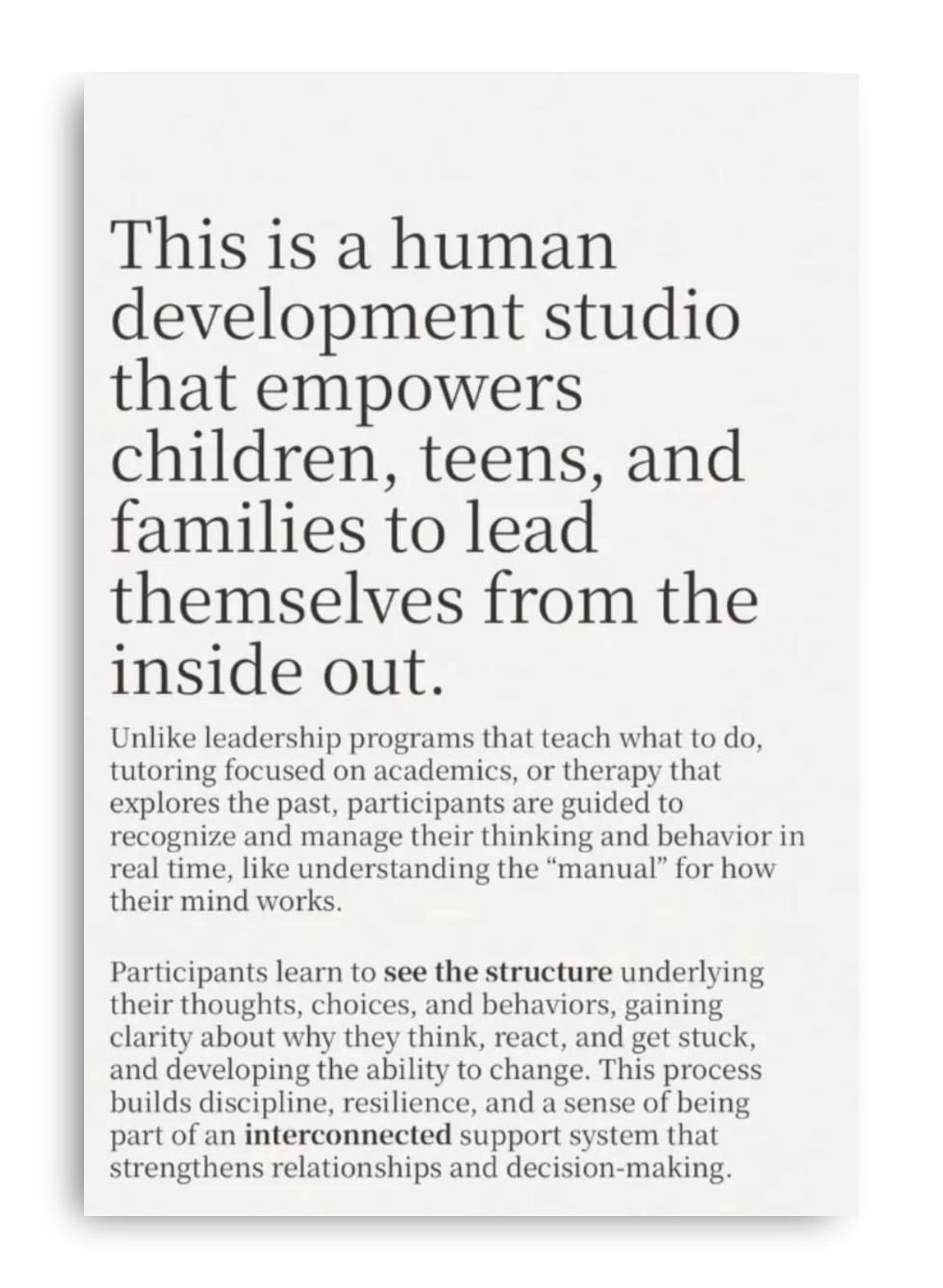
The Curator Experience for Individuals & Family
FAMILY DEVELOPMENT
Divorce marks the end of a marital contract. However, the family system, created by the child, continues.
A child creates a family that continues to matter. Roles may change. Homes may change. Daily routines may change. Yet a child's experience of family continues to positively unfold. Every conversation. Every decision. Every act of care becomes part of that story.
A child creates a family that continues to matter. Roles may change. Homes may change. Daily routines may change. Yet a child's experience of family continues to positively unfold. Every conversation. Every decision. Every act of care becomes part of that story.
ORCA
Meaning is invited.
ORCA’s purpose is to create conditions under which parenting plans, accountability, and healthy family structure can truly take root. That realization reaches far beyond ORCA. I describe it as this: “I curate soil” for which the seeds of life’s connections become more possible. It is the philosophy beneath my approach. It is about curating optimistic conditions, designing peaceful possibilities, and building new opportunities for positive connections. When conditions for seedling beautiful flowers can take root, new things and new forms emerge. This is the same idea used in curating experiences.
Creating conditions for noticing.
It’s about curating what is offered to be seen, and people meet it in their own way. I thoughtfully gather ideas, questions, conversations, and then use my knowledge, training, and experiential wisdom and research-informed/curated tools to invite families to discover new ideas and choose what speaks to them.
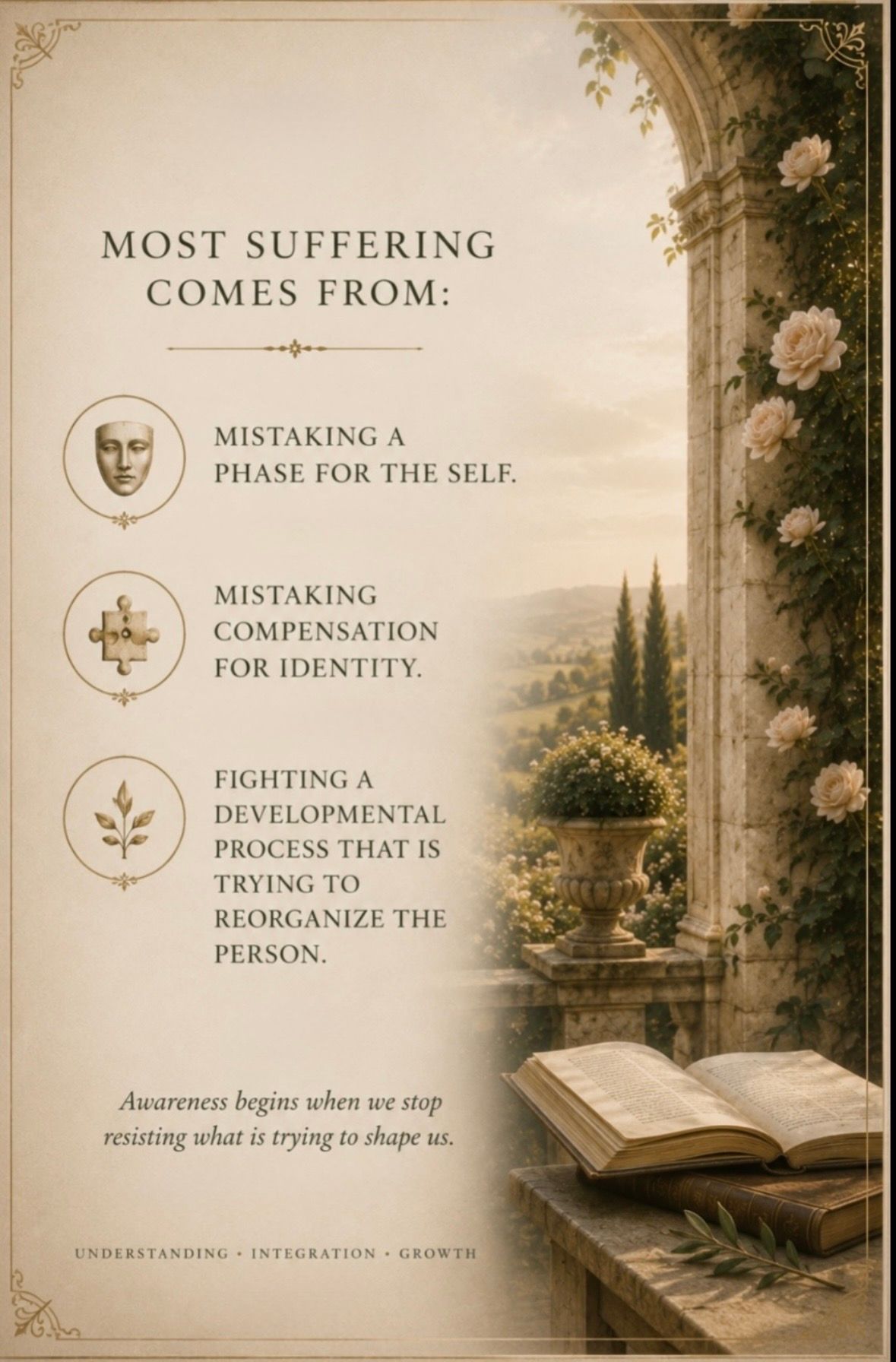
A Place for Adolescents
A Place for Adolescents
Some young people arrive with language for what they are experiencing. Some do not yet have words. Some stay close to their rooms.
Some move between two homes and feel caught between worlds. Some have already been given labels. Some are still trying to understand what any of it means. This is a place created for all of them.
An Invitation-Based Beginning
Each experience begins with a brief conversation. A quiet intake. A space to understand what feels present. From there, the structure unfolds gently. Some young people are best supported in a group space - where connection, shared experience, and relational awareness become central. Some are best supported individually - where attention can be more focused and personal. Sometimes both become part of the experience over time. The structure follows the person, not the other way around.
Ways of Understanding
This work is shaped by years of experience working closely with children, adolescents, and families across a wide range of developmental, learning, and communication profiles. Alongside conversation and observation, I use structured, research-informed tools that help illuminate how a young person perceives, organizes, and makes sense of their world. These tools support different ways of thinking, different communication styles, and different developmental profiles. They help shape how support is offered -through conversation, creative expression, or relational work.
Creative Expression
Art, imagery, story, and nonverbal expression may become part of the experience when words feel far away or too structured. Sometimes meaning arrives through language. Sometimes it arrives through image, gesture, or creation. Both are welcome here.
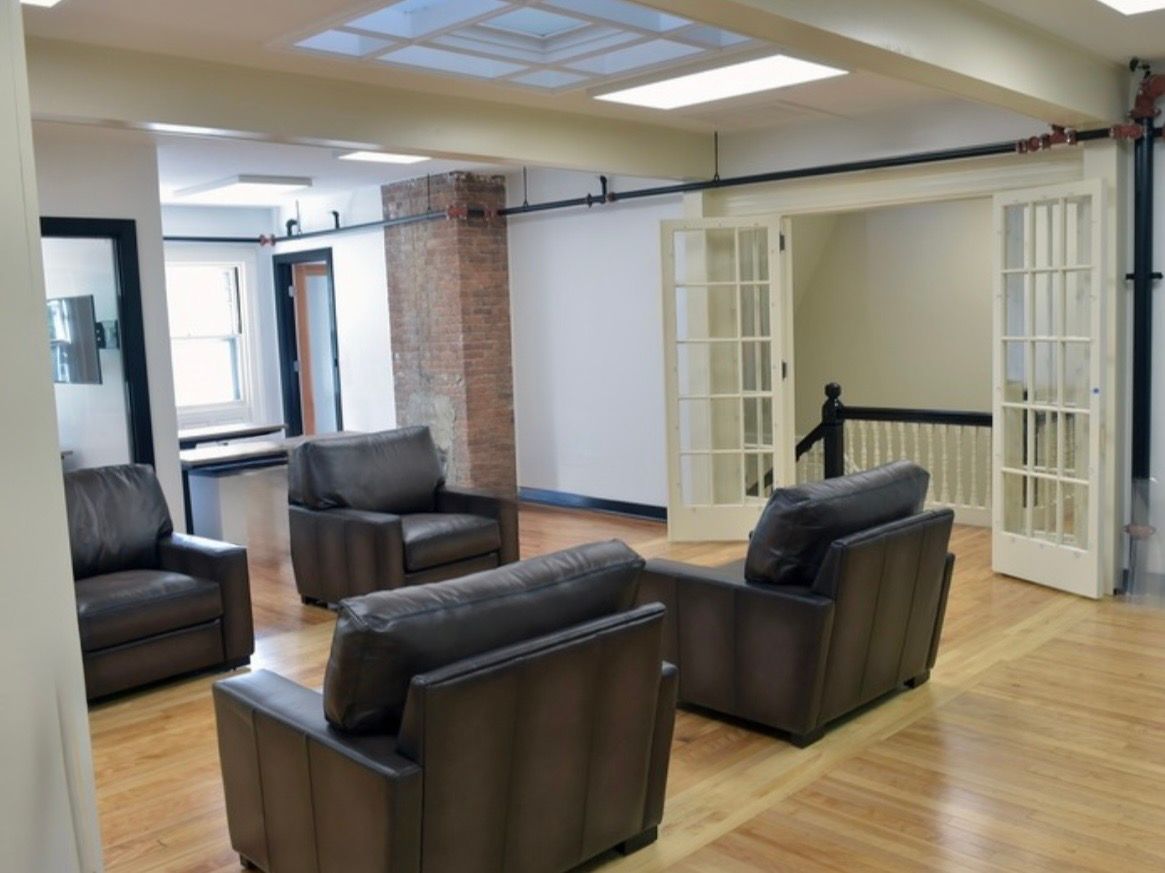
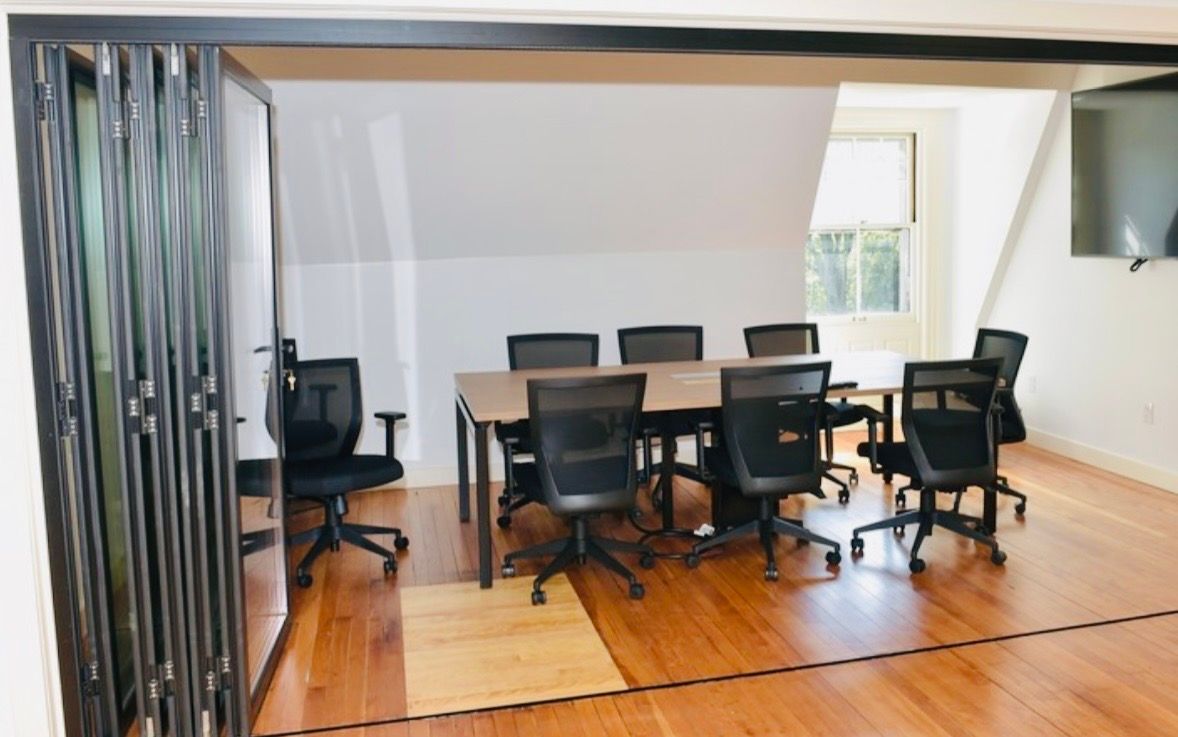
The Space Itself
This is not a program with a fixed path. It is a place of attunement. A space where young people are met as they are, and where support is shaped in response to what becomes visible over time. Some arrive for a season. Some return across seasons. Each experience is allowed to take its own shape.
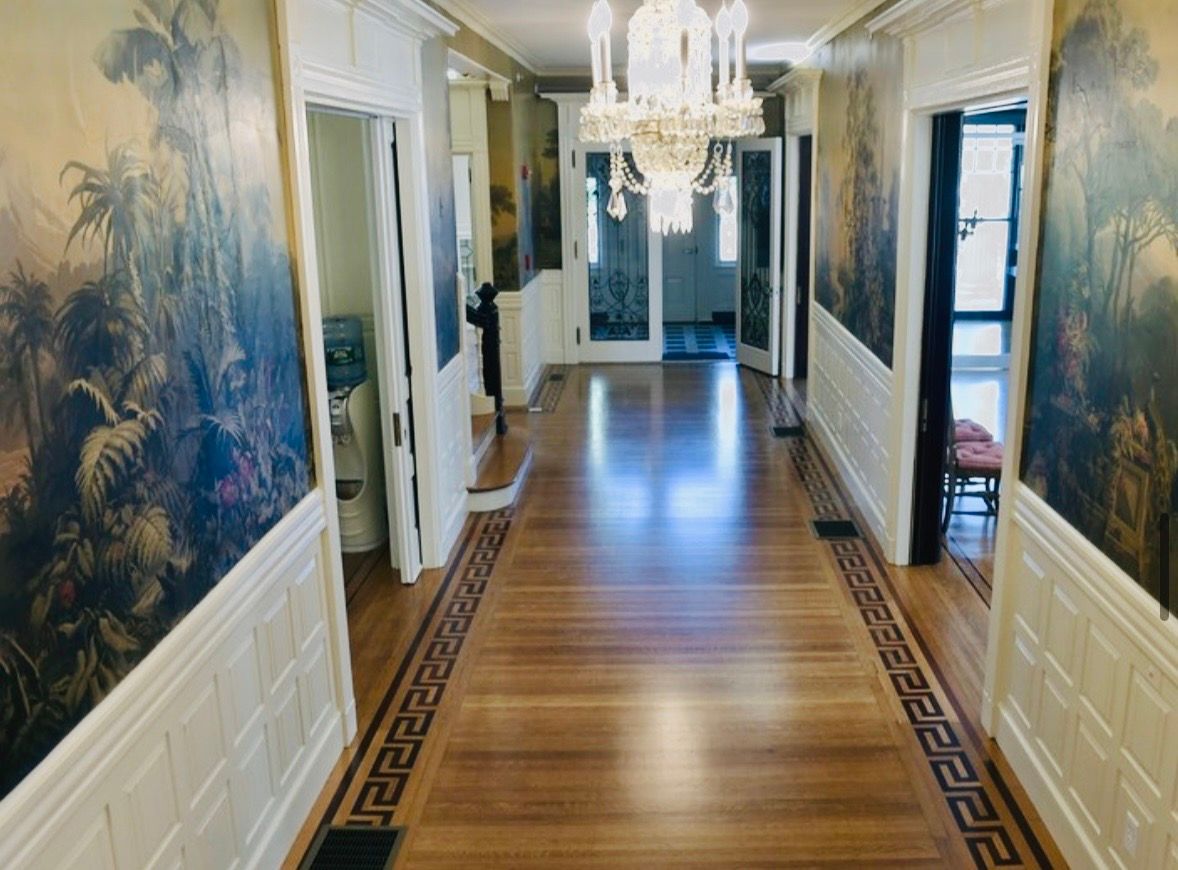
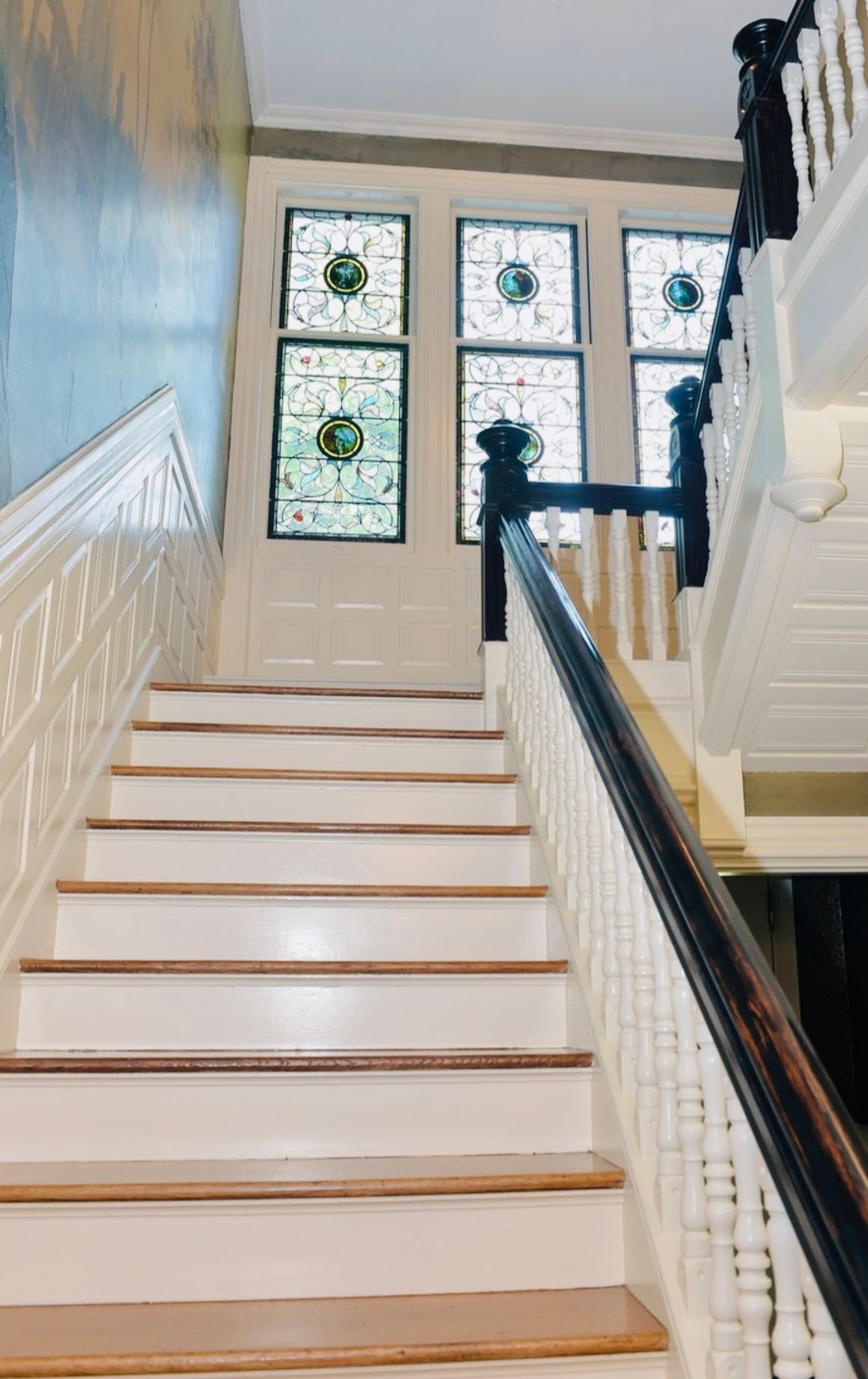
Children & Adolescents
A space for children and adolescents across stages of development.
Some arrive with clear questions or concerns.
Some arrive because something feels slightly out of rhythm in daily life, learning, attention, or relationships. Some are navigating transitions between homes, schools, or family structures. Each experience begins with a brief conversation to understand what is present and what may be most supportive.
From there, support is thoughtfully crafted to the needs that emerge, which may include:
- individual conversations
- group-based experiences
- family-informed sessions when appropriate
- structured and creative approaches to understanding attention, learning, communication, and emotional development
The structure is guided by an understanding of the individual child or adolescent, and shaped in response to what becomes clear over time.
Ways of Working
This approach has been shaped by years of clinical experience with children, adolescents, and families across developmental, learning, attention, and communication profiles. Alongside conversation and observation, structured tools are used for expression, creativity, and understanding how a young person organizes attention, relationships, learning, and emotional experience. Support is then shaped in a way that aligns with what is needed, creating a bespoke opportunity.